
Climate change can be seen everywhere – and yet we often fail to do anything about it. Behavioural researcher Tobias Brosch explains why people find it difficult to act in a sustainable way and how even small changes in our day-to-day lives can make a difference.
Mr Brosch, despite climate change, we are finding it difficult to live in a more sustainable way. Why is this?
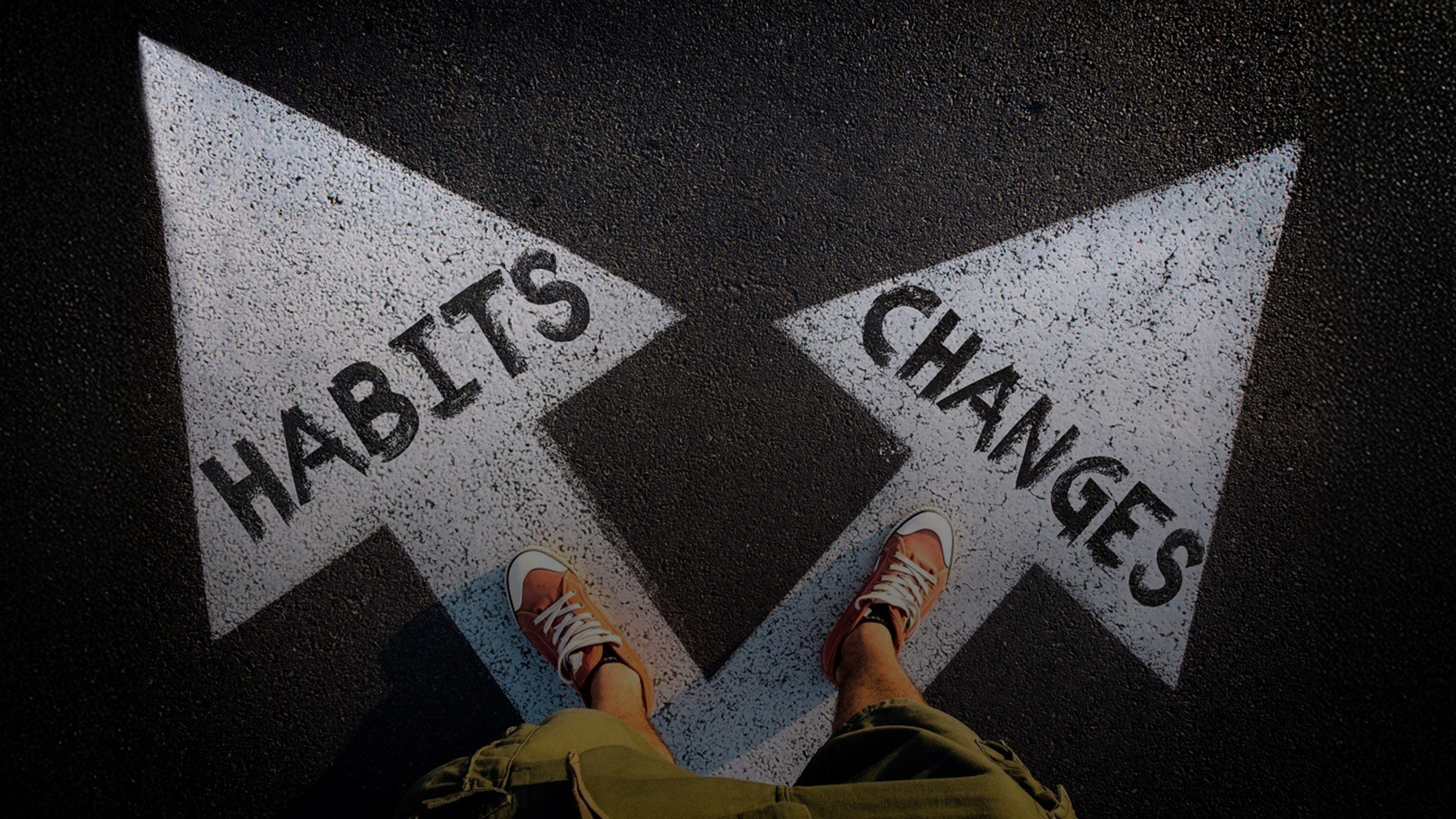
One main reason is the force of habit. Much of what we do in our day-to-day lives, we do automatically – from our eating habits to how we commute to work. We often find it difficult to break out of these routines. Behind this lies the so-called “status quo bias”: if we have the choice to change something or leave everything as it is, we often opt for the latter. You could say that we suffer from a form of cognitive laziness.
Climate change is very much in the public discourse. Shouldn’t that be enough to change the way we behave?
Unfortunately, no. There is a big difference between being aware of something and doing something about it. This is partly due to the so-called “discounting effect”: our brains value immediate rewards more highly than long-term benefits. Comforts that we enjoy today – such as driving a car, eating meat or taking a flight to go on holiday – are given a greater weighting than abstract future scenarios. While climate change is real, its effects often seem remote – whether in terms of a timeline, geographically or emotionally.
What are the consequences for climate policy?
It is not enough simply to give people information or to appeal to their sense of reason. We need structural changes which encourage people to behave in a sustainable way. As long as an air ticket is cheaper than taking a train, people rarely take the more sustainable option. This is where so-called “green nudging” comes in: a concept in which decision-making processes are designed in such a way that people automatically choose the more environmentally friendly option more often – without having to be coerced or forced to do so.

How does this work in practice?
This are a variety of different ways. A classic example is the default nudge: if, for example, green electricity is the default selection in an online form for people choosing what type of electricity they want, many people keep this choice. Another example is a sign in a hotel saying that 90% of guests use their towel multiple times. Or in a supermarket, vegetables are placed at eye level, whereas meat is displayed in a less prominent place.
Do such measures also have the desired effect?
Our research shows that green nudging works, but not in all behavioural domains and not equally well for everyone. Having carried out a meta-analysis, we found that some nudges are extremely effective. The default nudge is one of the most effective. Studies from Germany and Switzerland show that if green electricity is the default selection, up to 70% of customers choose it. If they have to make an active decision, the proportion is often as low as 10 to 20%.
Can our social environment also help us to act more sustainably?
Yes, social context plays an important role. People are very much guided by the behaviour of others – especially in uncertain situations. When sustainable behaviour becomes the social norm, the willingness to participate increases. In California, a study showed that households used significantly less electricity when their bills stated that their neighbours used less power. This can be a strong lever – above all because it relies on positive motivation.
Cars remain a central point in this regard. Why is it so difficult for many to switch to electric cars?
In addition to practical obstacles, such as a lack of charging stations, there is often a psychological barrier involved. Many people are sceptical about new technologies. However, the main cause is “range anxiety”.
What do you mean by that?
Many people believe that an electric car cannot meet their mobility needs. This fear is often based on misjudgement. In a study, we were able to show that people underestimate the proportion of journeys that are easily doable with an electric car by about 30%. In Germany, the average car travels around 39 kilometres per day. This is well below the range of modern electric cars. In actual fact, most people only need to charge their car once a week.
How can you reduce these worries? With a nudge?
Yes, with so-called “information-based” nudges. When people realise that they can easily make most of their journeys with an electric car, the willingness to switch increases. Such information could be included in future, for example, when buying a car online.
Critics talk about nudging as a form of manipulation – especially when the state intervenes.
I consider this accusation to be too general. The important thing is that green nudging must remain transparent and that people must be able to act in a self-determined manner. No one must be forced to make a decision that they do not want to make. When done well, nudging helps people make the decisions they would like to make anyway – for example, when they want to live more sustainably but shy away from taking the first step.
But is nudging enough on its own to help protect the climate?
No, the potential changes in behaviour are too small for that. Nudging is a useful tool, but it needs a mixture of clear policies, economic incentives, comprehensive information – and also psychological support. The Academy of Sciences estimates that energy consumption could be reduced by up to 30% using such behavioural approaches. We should make use of this potential, but this requires cooperation between society, politicians and businesses.
Isn’t sustainable action also related to financial opportunities?
Money does of course play a role – people with little financial means often have less room for manoeuvre. But living more sustainably does not automatically mean having to spend more. Buying less meat, saving electricity, riding a bicycle more often – this not only protects the environment, it also saves you money. It is important that sustainability is not seen as a sacrifice, but more as a gain to be made.
Can you nudge yourself – without any external stimulus?
Yes, it’s called self-nudging. If you want to do something more often, make it as simple as possible. If you want to avoid something, set yourself small hurdles. For example, if you want to cycle to work more often, you should not park your car right in front of your door, but a little further away.
Does sustainable behaviour make people happier?
Studies show that people who behave in an environmentally conscious way actually often lead happier lives. Especially if they feel that the actions they take are making a difference. Of course, sustainability sometimes means going without – but those who see their actions as contributing to something bigger often experience more meaning in life. And this is a key prerequisite for long-term wellbeing.

Tobias Brosch
Tobias Brosch (46) is a Professor of Psychology of Sustainable Development and Director of the Consumer Decision & Sustainable Behavior Lab at the University of Geneva, which researches the links between consumer behaviour and sustainability. He is associate editor for the Journal of Environmental Psychology and regularly advises institutions such as the World Economic Forum and the Swiss Federal Office of Energy.