Car sharing instead of owning a car, streaming instead of CD collections: people who talk about property today often think differently than they did 20 years ago. Instead of buying, people use – for a limited time, flexibly and often with fewer costs. Researchers refer to this development as the sharing economy or collaborative consumption.
Many goods are only rarely used. A car often stands unused most of the day, tools are only used a few times a year, and technical devices quickly become obsolete and lose value. In these cases, ownership above all means costs, maintenance and tied-up capital. Sharing increases the use of goods, while at the same time spreading acquisition and maintenance costs across multiple users. Particularly for younger generations, studies show that flexibility, predictability and lower fixed costs are frequently more important than ownership itself (see, for example, the Swiss Sharing Monitor).
Models of the sharing economy
Sharing models have now become established in a wide range of industries. Depending on the ownership and use structure, they can be broadly divided into three categories:
- Business-to-business (B2B): Companies own goods and make them available to other companies without long-term leases, such as office space, construction machinery or trucks.
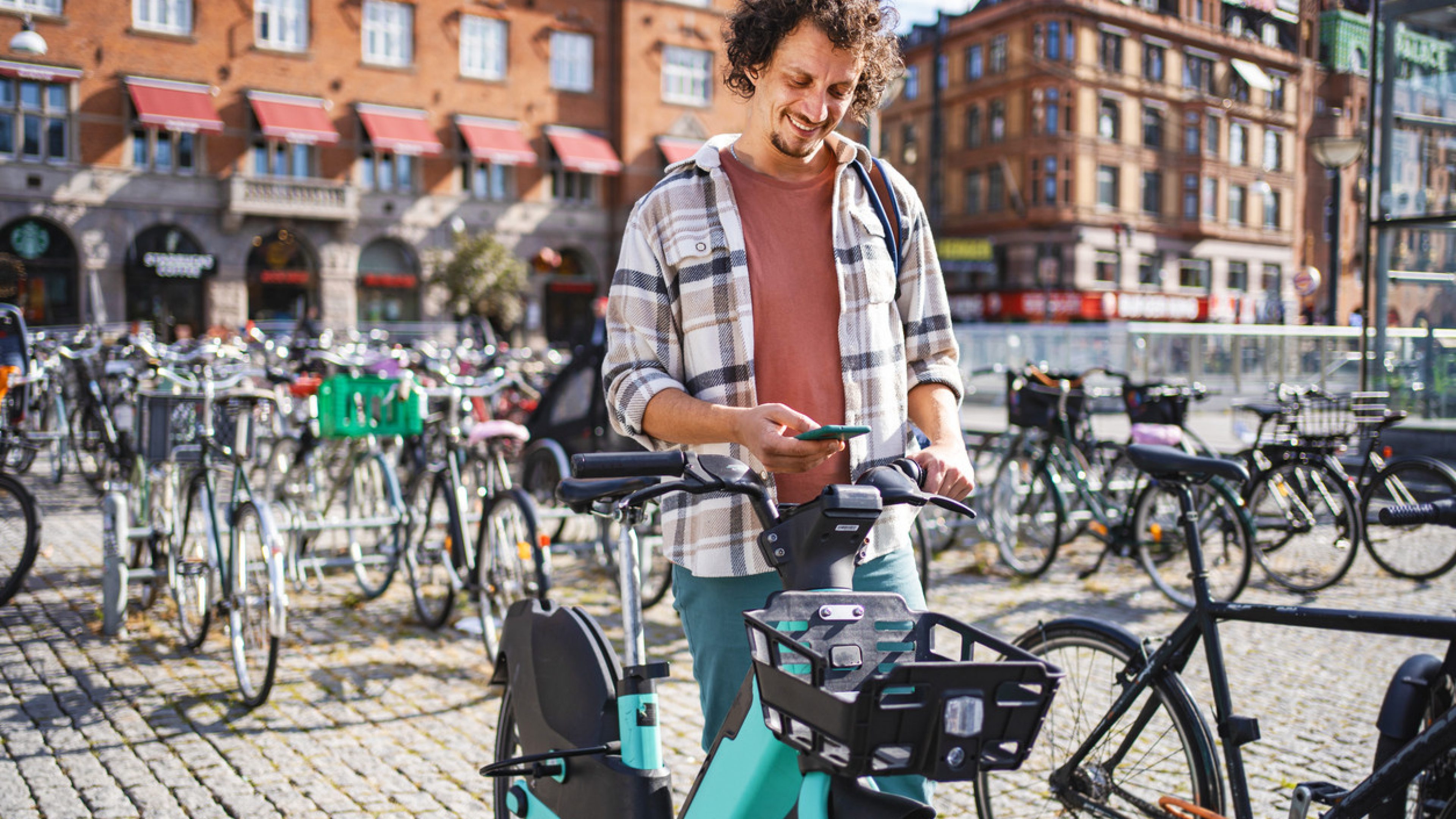
- Business-to-consumer (B2C): Companies own goods and enable private individuals to use them, for example when sharing cars, bikes and scooters or event rooms.
- Peer-to-peer (P2P): Private individuals share, lend or rent their possessions to other private individuals; the company merely provides the (digital) platform, such as swap exchanges, second-hand platforms or carpooling.
Differentiation from the access economy
B2B and B2C models in particular show a similarity in terms of content between the sharing economy and the access economy, as both rely on use rather than ownership and on digital platforms. The key difference lies in the resource base: the sharing economy is usually based on the sharing of already existing, decentralised resources, while the access economy describes professionally provided access to central goods. In terms of practical implementation, these boundaries are becoming increasingly blurred, making it difficult to distinguish between them conceptually. A classic example is car sharing: users experience it as a B2C sharing model, while in practice the vehicles are often professionally provided as a fleet, so that structurally it is more part of the access economy.
Driven by technology
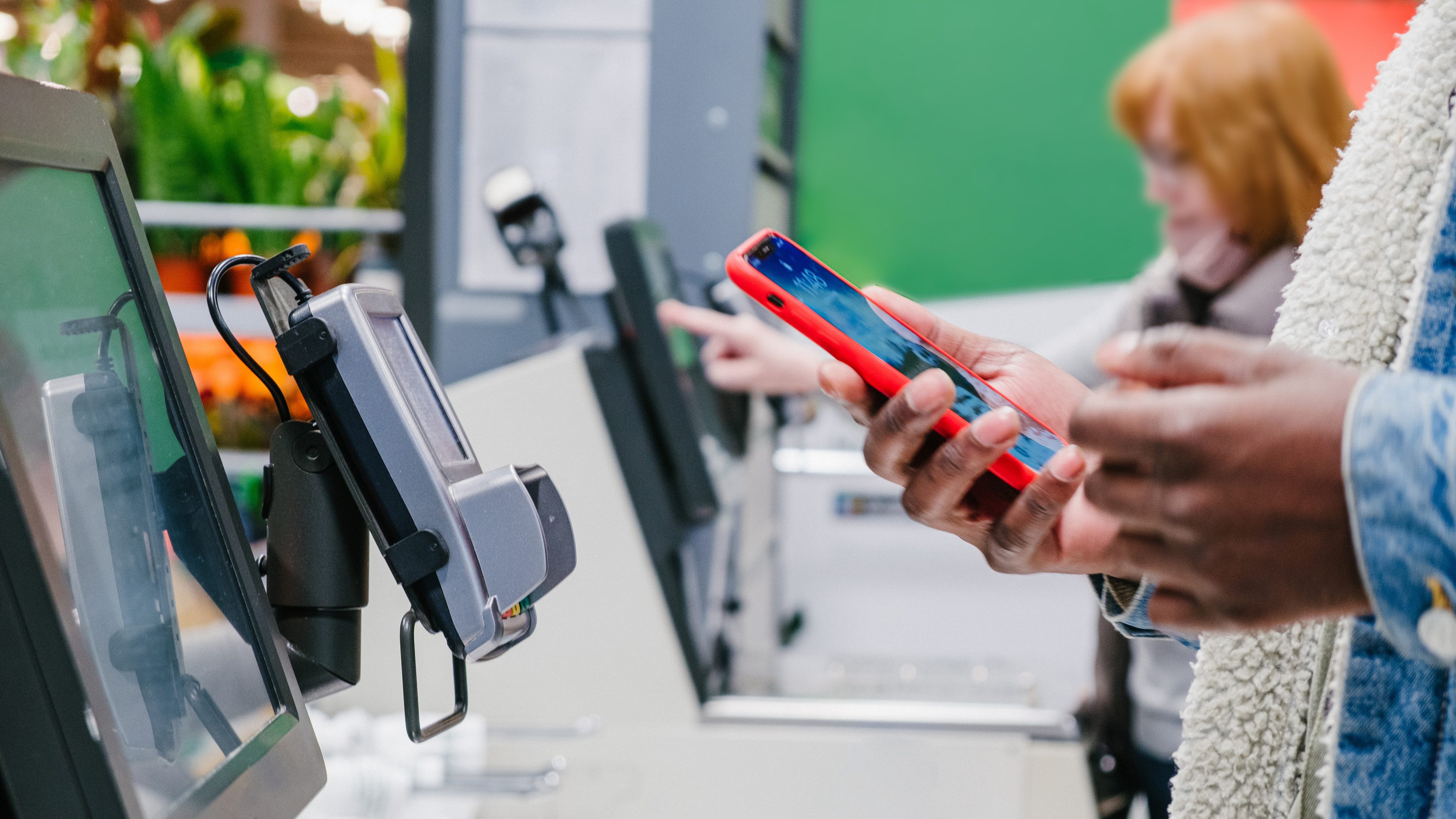
Current market analyses show that technological developments are further accelerating the growth of the sharing economy. New technologies such as artificial intelligence, blockchain applications and secure digital payment systems are reducing transaction costs, increasing trust and improving the user experience. Features such as real-time tracking, microtransactions and rating systems are making shared use predictable and scalable. The technology effect is particularly evident in areas such as mobility (e.g. GPS-based vehicle tracking), logistics (optimised route planning and utilisation), accommodation (digital keys and automatic booking) and peer-to-peer services (trust and identity management via reviews and verified profiles).
Financing and risk in transition
The shift from ownership to use is also resulting in new risk profiles. Responsibilities are no longer permanently tied to one person but change according to use. For insurance companies and financial services providers, this means that traditional long-term models are reaching their limits. What is needed are flexible solutions that are geared to actual use, duration and context.
At the same time, the type of financing is changing. If less is bought and more is used, large, one-off investments become less important. Instead, subscriptions, pay-as-you-use and flexible financing models are gaining relevance. Whether streaming, digital fitness offers or cloud-based software, regular payments have become established in many areas.
The principle of sharing applies not only to consumer goods, but also to capital. With crowdfunding and peer-to-peer models, large numbers of stakeholders provide financial resources together, rather than a single institution assuming the entire funding. Here, too, access to, rather than ownership of resources is paramount.
A trend with untapped potential
The global sharing economy market is forecast to grow strongly in the coming years, with Europe accounting for around a third of this growth. Despite their high profile, many people in Switzerland currently only use sharing services occasionally. While awareness of sharing approaches across all categories was 75% in 2021, only 27% of the population actively used them. The gap between awareness and use of sharing services arises above all where the perceived benefit is unconvincing. Only when sharing services fit in with our own values, are fun, financially attractive and work easily are they actually used.